
Skip Navigation
Site Logo

Woman lying on couch with tablet_780x439

Key Takeaways: 

  • Put your savings on autopilot so progress happens automatically
  • A better savings rate can help your money grow without asking you to save more.
  • Use certificates for money you won’t need right away.
  • Consider a money market account for larger balances that still need flexibility.
 

4 Small Moves That Could Help Your Savings Grow Faster

Your savings account might be one of the most neglected relationships in your life.

You opened it years ago. You send money there every now and then. You assume it's doing its job.

The problem? A lot of savings accounts aren't doing much of anything.

If you're earning less than 1%, your money may be growing slower than the cost of everything around you. The good news is that fixing it doesn't require a new budget, a new app or a complete financial makeover.

Just a few smart adjustments.

The four ideas below are mostly one-time decisions. Make them once, and they can continue working for you in the background.


Automate Your Savings

One of the easiest ways to grow your savings is to make it automatic. The best money to save is often the money you never see.

People who consistently build savings usually have one thing in common: the money moves before they have a chance to spend it.

A recurring transfer from checking to savings, timed to payday, does exactly that. Even $50 per paycheck adds up to $1,300 a year on a biweekly schedule, and that's before a single cent of interest.

Truliant offers a few ways to put this on autopilot:

  • Recurring transfers in online banking or the Truliant app, scheduled around your payday
  • Save Your Way, which automatically moves a small amount from checking to savings each day
  • The Rainy Day Account, which rounds up everyday spending and sweeps spare change into savings

Pick the option that fits how you bank. Once it's running, your savings can continue growing whether you're thinking about it or not.

And every other strategy on this list works better because of it.

Move Your Balance Into a High Yield Savings Account

For most people, keeping money in a high yield savings account is well worth it and offers higher interest rates than standard savings accounts. It’s the single biggest upgrade available, and moving your balance often takes less than 10 minutes. 

A high yield savings account works much like the savings account you already have. Your money stays accessible. There are no fixed terms. Deposits remain federally insured by the NCUA up to applicable limits.

The difference is the rate.

Many traditional savings accounts pay very little interest, while high yield accounts can pay several times more. That means the money you've already saved starts working harder without requiring any additional effort from you.

As a member-owned credit union, Truliant returns earnings to members through competitive rates and services rather than outside shareholders.

Truliant's High Yield Rewards Savings account offers its highest rate when you handle your banking the way many people already do.

To qualify each month, you'll need:

  • At least $500 in deposits from outside Truliant (a direct deposit often covers this)
  • Primary ownership of both your checking and High Yield Rewards Savings accounts
  • 10 or more withdrawals or payments from checking

New accounts automatically earn the premium rate for the first two statement cycles, giving you time to move your direct deposit before the monthly qualifications apply.

Put Your Patient Money in Certificates

Certificates offer higher rates of return than a high yield savings account for the dollars that don’t need to be available tomorrow.

Some savings are for emergencies. Other savings already have a future job assigned to them:

  • The SUV that's making a suspicious noise.
  • The graduation trip you've been planning.
  • The kitchen project you've been postponing.
  • The roof that's behaving for now, but probably won't forever.

Money like that may be a good fit for a certificate.

Credit unions call them share certificates and banks call them CDs. The concept is the same. You agree to leave money untouched for a specific period of time, and in exchange, you receive a guaranteed rate for the entire term.

At Truliant, certificates can be opened with as little as $250. The tradeoff is that withdrawing funds before maturity may result in a penalty.

One popular strategy is certificate laddering. Instead of placing all your money into a single certificate, you divide it across multiple terms. For example, $6,000 might be split into 12, 18 and 24-month certificates. This creates regular opportunities to access funds while still allowing most of your savings to earn longer-term rates.

Decide Whether a Money Market Account Belongs in the Mix

Think of a money market account as the middle ground between everyday savings and longer-term savings.

For larger balances, a money market account can offer higher earning potential while still keeping your money accessible. Money market accounts typically pay more than standard savings accounts, offer tiered rates that reward larger balances and may provide check-writing access.

For larger emergency funds, down payment savings or other significant goals, that combination can be appealing.

They're not the right fit for everyone, though. 

Truliant's Accelerate Money Market requires a $2,500 opening balance and includes a monthly fee if the average balance falls below minimum requirements. If you're still building your savings, a high yield savings account may be the better place to start.

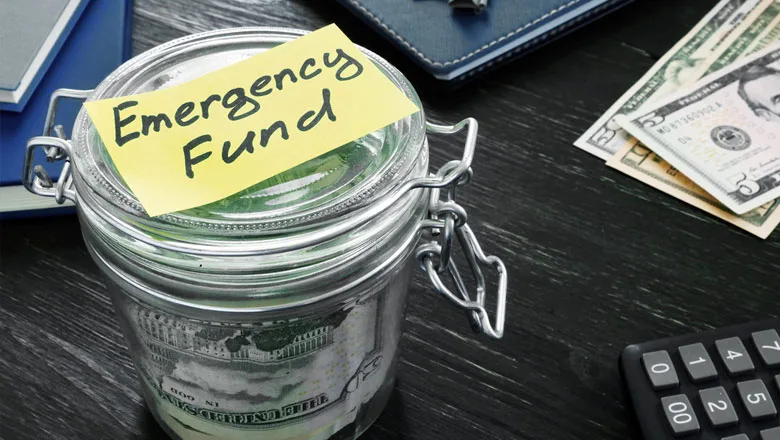
Many members eventually use both. An emergency fund often lives in High Yield Savings Account. The larger, slower-moving money sits in a money market account earning a competitive rate.

As a rule of thumb, many financial experts recommend keeping three to six months of essential expenses in an accessible emergency fund, though starting smaller still counts.


High yield savings vs. certificate vs. money market: which should you choose?

Each account does a different job. Here's how they compare at a glance:

Account

Best for

Access to money

Minimum at Truliant

High Yield Rewards Savings

Everyday & emergency savings

Anytime

$500+ in monthly deposits & active checking account

Certificates

Money you won't need for a set term

Locked until maturity (early-withdrawal penalty)

$250

Money Market Accounts

Larger balances that still need occasional access

Limited; may include check-writing

$2,500

Small changes can add up. And unlike many financial goals, these are adjustments you can make once and benefit from for years.

Ready to put one of these to work?

You can open an account online in minutes or stop by a branch and talk it through with someone local.


Frequently Asked Questions

What’s the difference between a high yield savings account and a CD?

High Yield Savings account keeps your money accessible with a variable rate, while a certificate locks in a fixed rate for a set term in exchange for leaving the money untouched. Use savings for money you might need soon. Use a certificate for money you won’t.

What’s the minimum to open a certificate or money market account at Truliant?

A Truliant share certificate can be opened with as little as $250. The Accelerate Money Market account requires a $2,500 opening balance.

Is my money safe in a high yield savings account?

Deposits at Truliant are federally insured by the NCUA up to applicable limits, the same protection that applies to a standard savings account.

Chat with us.