Skip Navigation
Site Logo

Calling Unknown_Fraud Article

Key Takeaways: 

  • Truliant will never contact you unexpectedly to ask for sensitive information such as your Social Security number, account number, PIN or password.
  • If you call Truliant, a team member may ask questions to verify your identity before discussing your account.
  • AI can make fraudulent calls, texts and emails seem legitimate, even when they're not.
  • Use unique passwords, turn on multifactor authentication, check your accounts regularly and verify unexpected requests independently.
  • If something feels suspicious, stop communicating and contact Truliant directly at 800-822-0382.


Overview:

Knowing what financial institutions will never ask you for is a simple way to recognize a scam, even as AI makes fraudulent calls, texts and emails more convincing. 

Spotting a scam isn't as easy as it used to be. AI can help scammers write convincing emails, create realistic messages and even imitate someone's voice. That means the usual warning signs aren't always there. But one thing hasn't changed: knowing what Truliant will and won't ask you for is still one of the best ways to protect yourself.

What Financial Institutions Will Never Ask You For

Truliant will never contact you unexpectedly to ask for sensitive information such as your Social Security number, account number, PIN or password.

There's an important difference between receiving an unexpected request and contacting Truliant yourself. When you call us directly at 800-822-0382, a team member may ask questions to confirm your identity before discussing your account.

Common Scams To Watch For

Scammers have plenty of ways to reach you, from suspicious texts to fake job offers. And with AI making messages, images and even voices more convincing, some scams are harder to spot than ever. Here's what to watch for.

Pease Note: One thing many scams have in common? Pressure. If someone wants you to act immediately, keep a secret or send money before you've had time to think, that's your cue to stop and verify.

Scam

What it can look like

Red flags

Phishing 

A text or email pretending to be from Truliant or another trusted organization asks you to click a link and verify your account.

An unexpected link asking for your password, account information or other sensitive details.

Impersonation

Someone pretending to be Truliant, a government agency, law enforcement or even a friend or family member.

Urgent demands for money, personal information or secrecy.

Technical Support

A pop-up or unexpected call claims there's a problem with your device and offers to fix it.

Requests for remote access, passwords or payment.

Employment

A fake employer sends you a check and asks you to return part of the money or use it to buy equipment.

Being asked to deposit a check and send money back.

Cryptocurrency

Someone promises unusually high or guaranteed returns and asks you to send money using cryptocurrency.

Promises of guaranteed profits or pressure to send cryptocurrency.

Lottery or grant

A message claims you've won a prize or qualified for a grant but must pay a fee to receive it.

Being asked to pay upfront to collect a prize or grant.

Simple Ways To Protect Yourself From Identity Theft

A unique password, multifactor authentication and a habit of verifying unexpected requests cover most of what puts your identity at risk.

Use a unique password. If you use the same password for multiple accounts, a breach somewhere else could put your Truliant account at risk, too.

Turn on multifactor authentication when available. This adds another layer of security, making it harder for someone to access your account even if they have your password.

Check your accounts regularly. Even a small unfamiliar charge could be a sign of fraud. Catching it early gives you a chance to act quickly.

Verify unexpected requests. If a call, text or email seems suspicious, contact Truliant using the number on the back of your card or our official website, not the contact information in the message.

Consider freezing your credit

A credit freeze restricts access to your credit report, making it harder for someone to open new credit accounts in your name. It's free to place or lift a freeze with each of the three major credit bureaus, and you can temporarily lift it when you need to apply for credit. A credit freeze won't affect your credit score or existing accounts.

Get Built-In Protection

Truliant's Essentials Plus and Reserve Plus checking accounts also offer added protection, including credit and identity monitoring, dark web monitoring and up to $10,000 in identity theft expense reimbursement.


What To Do if Something Doesn’t Feel Right

Call Truliant at 800-822-0382 as soon as you suspect fraud, then change any affected passwords and report the scam to the FTC.

  1. Stop communicating. Don't reply, click any more links or send money.
  2. Contact Truliant at 800-822-0382. If you shared account information or suspect fraud, let us know as soon as possible so we can help you determine the next steps.
  3. Change affected passwords. Start with your Truliant account, then update any other accounts that use the same password.
  4. Report the scam. Visit ReportFraud.ftc.gov to report suspected fraud or IdentityTheft.gov if your identity has been stolen.
  5. Consider a fraud alert or credit freeze. A fraud alert asks creditors to take additional steps to verify your identity. A credit freeze restricts access to your credit report.
  6. When in doubt, stop and verify. If someone unexpectedly asks for personal information or tells you to move money, don’t take their word for it. Contact Truliant directly using a number you know is legitimate.

Scammers are good at what they do. If you've been targeted, don't let embarrassment keep you from speaking up. The sooner you act, the better. 


FAQ

What information will Truliant never ask for unexpectedly?

Truliant will never contact you unexpectedly to request sensitive information such as your Social Security number, account number, PIN or password. Unexpected requests for these details are a common sign of bank fraud or credit union fraud.

How can I tell if a call from Truliant is legitimate?

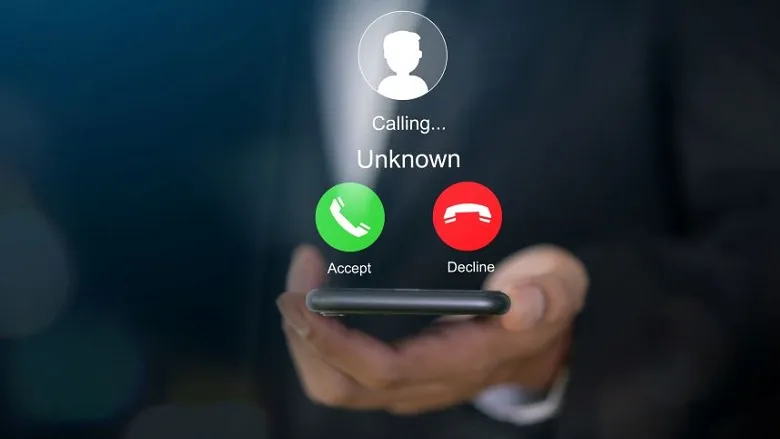
If you're unsure, hang up and call Truliant directly at 800-822-0382 or the number on the back of your card.

How do I report suspected fraud?

Contact your financial institution as soon as you suspect fraud. Truliant members can call 800-822-0382. You can also report suspected fraud at ReportFraud.ftc.gov, or IdentityTheft.gov if your identity has been stolen.

How can I spot a phishing scam?

Phishing scams usually arrive as a text or email that looks like it came from a trusted organization and asks you to verify information through a link. Watch for pressure to act quickly and avoid clicking links in messages you weren’t expecting.

Can scammers use AI to copy someone’s voice?

Yes, voice cloning tools can reproduce a voice from a short audio sample, so a familiar voice alone isn’t proof of who you’re talking to.

What are some security tips to protect myself from identity theft?

Use a unique password for each account, turn on multi-factor authentication, check your accounts regularly and verify unexpected requests before acting on them. Freezing your credit adds another layer of protection.

How do I freeze my credit?

Contact each of the three major credit bureaus directly. A credit freeze is free to place and lift, and you can lift it temporarily when you need to apply for credit.

Does Truliant offer identity theft protection?

Essentials Plus and Reserve Plus checking accounts include credit and identity monitoring, dark web monitoring and up to $10,000 in identity theft expense reimbursement.
We’re Here To Help You Stay Protected

If something doesn't look right, we're here to help. Call Truliant at 800-822-0382 or visit your nearest branch to speak with a team member.

Chat with us.